Programs
Programs at Midwest College
The Midwest College of Acupuncture and Herbal Medicine offers two programs accredited by ACAHM

Acupuncture and Herbal Medicine Program
Upon completion, you will have earned a Master of Science in Acupuncture and Herbal Medicine and a Bachelor of Science in Nutrition. This program takes a minimum of 36 months to complete. In this program, you will learn the entire Acupuncture Program with additional in-depth knowledge of traditional Chinese herbs. The total number of hours of training in the Acupuncture and Herbal Medicine program is 2,898 (228.3 credits).
Acupuncture Program (suspended)
Upon completion, you will have earned a Masters Level Certification in Acupuncture. This Program takes a minimum of 30 months to complete. The total number of hours of training in the Acupuncture program is 2,148 (166.2 credits).

Herbs & TCM Nutrition
Although this is not a standalone program we offer, after completing the OM program you will be able to augment your acupuncture and herbal treatment with the Chinese system of food therapy. In fact, students in the Master’s program receive the concurrently-awarded degree B.S. in Nutrition with an M.S. degree in Acupuncture and Herbal Medicine.
Successful completion of either program will qualify you to take the National Board Examinations for acupuncture certification given by the National Commission for Certification of Acupuncture and Oriental Medicine (NCCAOM) and meet the requirements for licensure in Illinois, Wisconsin and many other states. To learn more about licensing requirements in other states, click here.

Student Clinic Experience
In our student clinics, interns learn to compound raw herbs in the traditional style, where formulas can be modified based on a patient’s unique energetic profile. Interns also learn when to choose between prepared medicines from China and herb formulas made in the U.S. for American diets and constitutions. These medicines come in the form of tinctures, capsules, and tablets.
MCAHM’s student clinics offer interns the opportunity to gain a unique experience that combines acupuncture, nutritional counseling, and the principles of traditional Chinese herbal medicine.
MCAHM can help you meet your expectations of delivering health care in a powerful and effective style that will reach your patient from the fundamental level of balanced nutrition to the subtle level of balanced Qi.
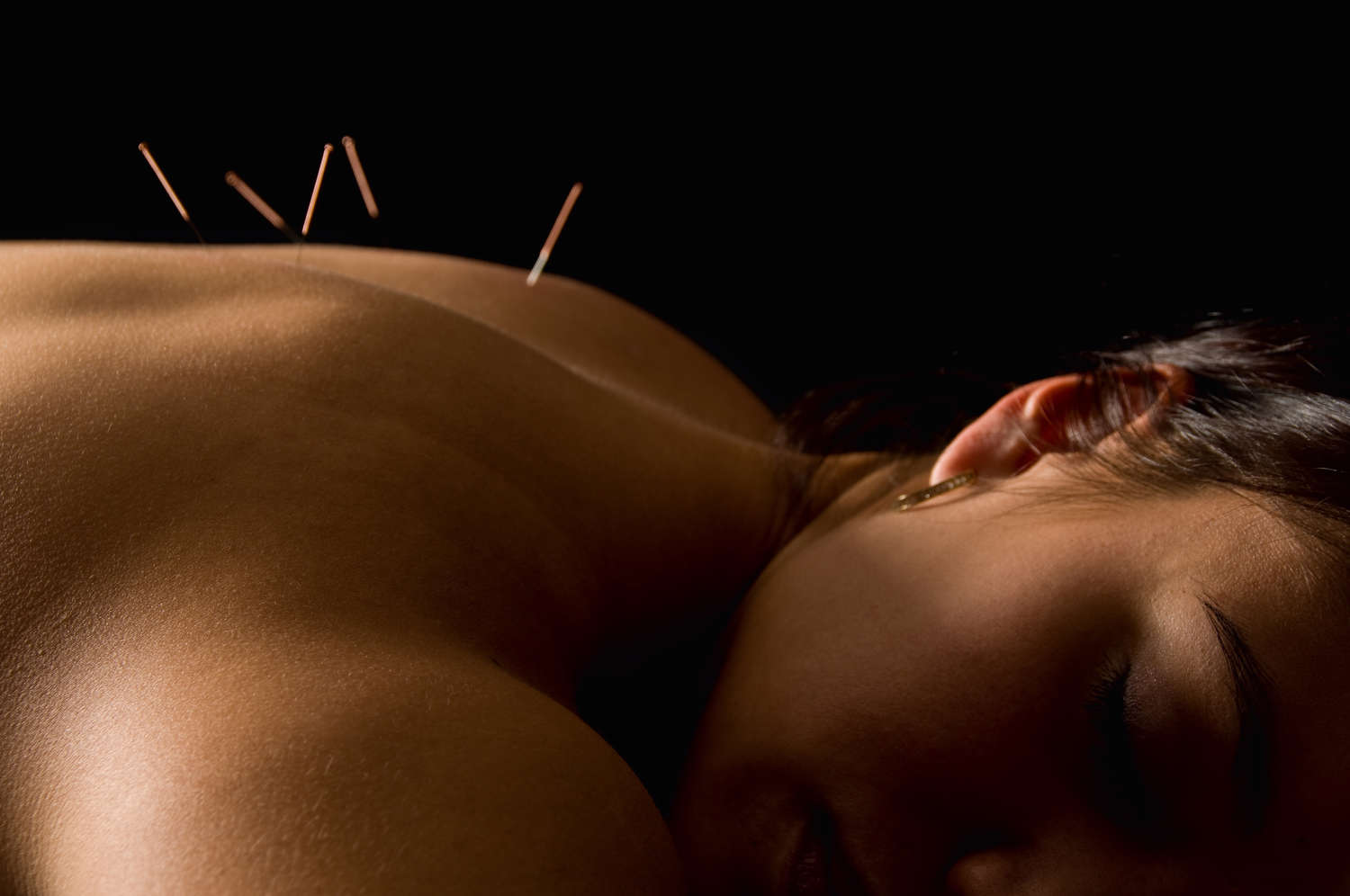
Acupuncture and TCM Medical Education for the 21st Century
Midwest College believes that the best training for a career (whether in clinical practice, teaching, or research) encourages students to develop an independent, critical, and inquisitive approach to the field. Instruction at MCAHM is designed to foster such an approach. Encouraging students to engage in independent study, as well as formal course work and clinical practice, is what an education at Midwest College is all about.
Our talented faculty is one of MCAHM’s major strengths. Faculty members are chosen for their ability to communicate the complex and subtle principles of Acupuncture and Herbal Medicine in a manner that encourages and motivates students. Their scholarly and investigative approach makes them stimulating teachers to whom a student responds by developing critical thinking skills and an attitude of clinical inquiry.
The Midwest College of Acupuncture and Herbal Medicine, its Master’s-level program in Acupuncture and Herbal Medicine (MSAHM), and its Master’s-level program in acupuncture (MLA) are accredited by the Accreditation Commission for Acupuncture and Herbal Medicine (ACAHM). Accreditation status and notes may be viewed on the ACAHM Directory. ACAHM is recognized by the United States Department of Education as the specialized accreditation agency for institutions/programs preparing acupuncture and herbal medicine practitioners. ACAHM is located at 500 Lake Street, Suite 204, Excelsior, MN, 55331; phone 952/212-2434; fax 952/657-7068; www.acahm.org